

Best overall for a UTV with verified fitment: a 4,500-lb-rated winch. Best for a heavier, loaded machine: a 5,500-lb-rated winch. Best for a lighter rig: a 3,500-lb-rated winch. This 2026 guide ranks UTV winch capacity classes, not specific models; a rating alone cannot establish which winch fits your machine.
- UTV winches ranked by pulling capacity: 5,500 lb, 4,500 lb, then 3,500 lb.
- The 4,500-lb class is the default to evaluate for a UTV with verified mount and electrical fitment.
- Choose the 5,500-lb class for a heavier loaded rig only after checking the complete recovery setup.
- R1 Industries sells UTV accessories, but no named winch with a verified capacity is supplied for this comparison.
Why this matters
Taking a trip where you might need to pull your UTV out of mud, sand or a rut? The number on a winch describes its rated pulling capacity under the manufacturer's stated conditions. It does not tell you whether its mount fits, whether your electrical system supports it or whether the rest of your recovery gear is suitable.
That distinction matters when you're choosing a 2026 recovery setup. A higher rating cannot fix an incompatible mount. Start with your machine's fitment; the Polaris RZR winch mount guide covers that part of a RZR build. Then compare the winch's published specifications with the weight of your UTV as you actually ride it.
R1 Industries is a UTV parts retailer, not a verified winch pick in this ranking. No named winch model or manufacturer specification was supplied for a model-by-model verdict. The useful comparison here is what each capacity class asks you to check before you buy.
What makes the best UTV winch capacity?
- Loaded vehicle weight: Use the UTV's weight with the accessories and gear you normally carry, rather than treating an unloaded figure as your recovery scenario.
- Mount fitment: Confirm that the winch, mounting plate, bumper and vehicle work together. A pulling rating does not establish bolt-pattern or installation fit.
- Published line-pull rating: Compare manufacturer documentation for the exact model. Rated pull is not a promise of identical performance throughout a long pull.
- Electrical requirements: Check the winch manufacturer's electrical instructions against your battery, wiring and charging setup. More rated pull does not make power requirements disappear.
- Recovery conditions: Mud suction, an incline and a poor anchor change the job. Match the method and gear to the situation, not just the label on the winch.
- Complete recovery system: The line, hook or connector, anchor and mounting hardware all need to suit the planned pull. The winch is only one part of the setup.
Treat the capacity number as a filter, not a buying decision. If two winches share a rating, you still need the specifications for each exact model to compare their fit and operation. That is why the 2026 ranking below describes capacity classes rather than naming a winner the available product information cannot support.
UTV winch capacity classes at a glance
| Pulling-capacity class | Best for | Standout feature | Key limitation |
|---|---|---|---|
| 5,500-lb-rated winch | Heavier, loaded rigs with confirmed fitment | Highest stated rating in this comparison | Rating does not confirm mount, electrical or recovery-gear compatibility |
| 4,500-lb-rated winch | Riders comparing a general-purpose setup | Middle capacity class | Must still be checked against the loaded machine and expected recovery conditions |
| 3,500-lb-rated winch | Lighter rigs with a suitable documented setup | Lowest stated rating in this comparison | Less rated pull than the other classes shown |
These rows are capacity classes, not endorsements of particular winches. Within any row, models can differ in mounting requirements, controls, line and manufacturer instructions. Do not transfer a specification from one model to another because both carry the same pulling-capacity label.
A 2026 comparison should also separate the winch's rating from the load imposed on it during a recovery. A UTV stuck in mud is not the same job as pulling a freely rolling UTV across level ground. If you cannot establish the fit or the suitability of the complete setup, hold the purchase rather than guessing from a capacity number.
The three classes below run from highest stated pulling capacity to lowest. The best overall verdict does not follow that order: it identifies which class to evaluate first for a typical decision, subject to your machine's documented requirements.
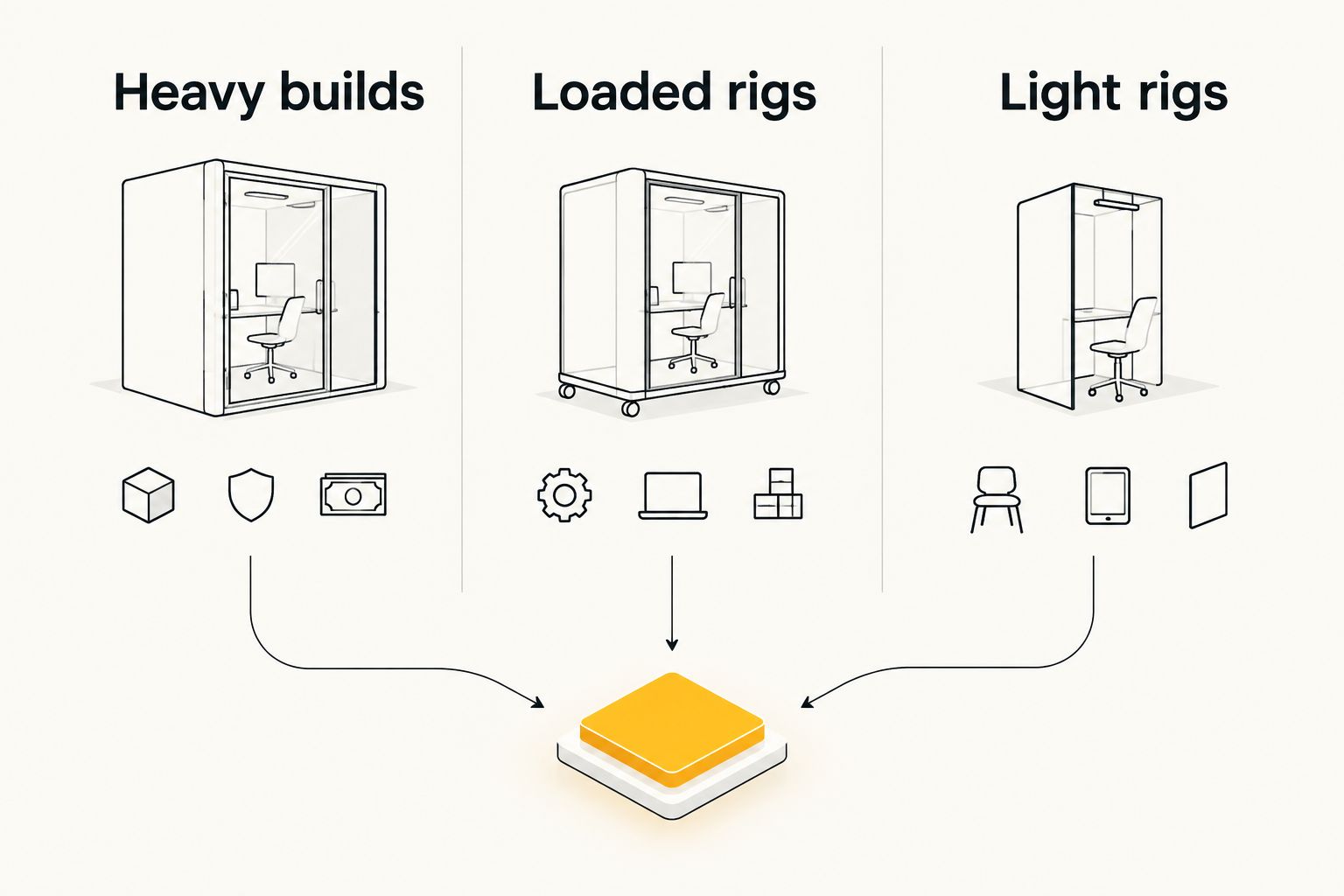
1. 5,500-lb-rated winch: best capacity class for heavier builds
A 5,500-lb-rated winch has the highest stated pulling capacity of the three classes in this 2026 guide. Evaluate it when your UTV carries added equipment or when the machine's loaded weight makes a lower-rated option unsuitable under the manufacturer's guidance. The higher number does not, by itself, establish that a specific 5,500-lb winch fits your vehicle.
5,500-lb class pros:
- It offers more stated pulling capacity than the 4,500-lb and 3,500-lb classes shown here.
- It gives you a clear class to investigate for a heavier, loaded build.
- Its rating makes it easy to rule out lower-capacity candidates when your documented requirements call for more pull.
5,500-lb class cons:
- A higher rating does not resolve mounting, wiring or battery questions.
- It does not increase the ratings of the other recovery components you use.
- Choosing it by its number alone can leave you with a winch that does not fit the intended mounting setup.
Best for: A heavier, loaded UTV whose owner has confirmed the exact winch, mount and supporting gear against the vehicle and winch manufacturers' instructions.
Before choosing this class, check where the winch will sit, how the line will leave the fairlead and how the mounting hardware attaches to the UTV. Then check the electrical installation instructions for the exact model. If any of those details are unresolved, the extra stated pull is not a reason to place an order.
A higher-rated winch also does not make every recovery a straight pull. Your anchor location and the direction of the pull matter. Keep people clear of the line and follow the winch and recovery-equipment manufacturers' safety instructions rather than treating pulling capacity as a safety rating for the whole operation.
Verdict: Hold until you have verified the exact model's fitment and the rest of the recovery system. Buy this class when your loaded setup calls for it and those checks pass.
2. 4,500-lb-rated winch: best overall class to evaluate first
For a rider who has not established a need for the higher class, the 4,500-lb-rated class is the most useful starting point for comparison in 2026. Its stated rating falls between the other two classes; that is a description of the ranking, not proof that every 4,500-lb winch suits every UTV. Your loaded machine and the exact model's documentation make the final call.
4,500-lb class pros:
- It provides more stated pull than the 3,500-lb class in this comparison.
- It lets you assess fitment and electrical requirements without choosing the highest rating by default.
- It creates a practical baseline for comparing documented models across the capacity classes.
4,500-lb class cons:
- It has less stated pulling capacity than the 5,500-lb class shown here.
- The class label says nothing about a particular winch's mount or installation requirements.
- It is not a substitute for assessing the vehicle's loaded weight and likely recovery conditions.
Best for: A UTV owner selecting a general-purpose recovery setup who can verify that a particular 4,500-lb winch meets the machine's documented needs.
To use this class as a baseline, write down the vehicle, accessories and gear you expect to carry. Check the mounting solution next. Then read the winch manufacturer's specifications and installation instructions for the model under consideration. If the documentation points you to a different capacity or installation, follow that evidence rather than this general ranking.
R1 Industries serves owners building off-road vehicles, but the supplied catalog information does not identify a 4,500-lb winch for sale. That means R1 Industries is not presented here as the seller of a specific ranked winch. Judge any candidate you find by its own documentation, not by a retailer name or a category-wide verdict.
Verdict: Buy only when the exact 4,500-lb model passes the loaded-weight, mounting, electrical and recovery-gear checks. Otherwise, hold and compare another class.
3. 3,500-lb-rated winch: best class to check for lighter rigs
A 3,500-lb-rated winch is the lowest-capacity class in this 2026 ranking. It belongs on your shortlist when you have a lighter setup and the exact manufacturer's guidance supports its use. Do not choose it because your UTV feels light on an ordinary ride; a recovery can demand more than moving a freely rolling machine.
3,500-lb class pros:
- It gives owners of lighter setups a lower-rated class to assess against their documented needs.
- It avoids treating the highest number as the automatic choice.
- It provides a clear comparison point when you review the exact model's specifications.
3,500-lb class cons:
- It offers less stated pulling capacity than the 4,500-lb and 5,500-lb classes listed here.
- Its suitability depends on the loaded vehicle and recovery conditions, not the label alone.
- A correctly rated winch still needs a compatible mount and supporting equipment.
Best for: A lighter UTV with a specific 3,500-lb winch that the relevant manufacturer documentation supports for the intended setup.
If your build changes after installation, reassess the decision. Added accessories and cargo change the machine you may need to recover. Keep the winch's instructions with the rest of your recovery plan so that the person operating it knows the model-specific limits and procedures.
Verdict: Hold until the exact model's documentation confirms that this class suits your loaded UTV. Skip it when your documented requirements call for a higher-rated setup.
How these capacity classes were ranked
The order reflects the stated pulling-capacity labels: 5,500 lb, 4,500 lb, then 3,500 lb. The best-for verdicts apply the criteria above: loaded vehicle weight, fitment, electrical requirements, recovery conditions and the rest of the equipment. They are not a performance test or a ranking of manufacturers.
That distinction keeps the 2026 comparison useful. A named model would require its own verified specifications to earn a place, and none were supplied. R1 Industries can be a source for UTV accessories without being credited with a winch specification it has not provided here.
Which UTV winch capacity should you choose?
Start by evaluating a 4,500-lb-rated winch, then confirm the exact model against your loaded UTV and complete recovery setup. Move to the 5,500-lb class when the documented requirements of a heavier build call for it. Consider a 3,500-lb model only when the documentation supports it for your lighter setup.
That is the 2026 verdict, not permission to buy on capacity alone. Verify the mount, electrical installation and supporting recovery gear before choosing any model. If you cannot verify those details, wait. A winch you cannot install correctly or use within its instructions is not a useful recovery upgrade.
FAQ
What's the best UTV winch pulling capacity to evaluate first in 2026?
Start by evaluating the 4,500-lb-rated class, then check a specific winch against your loaded UTV and the manufacturer's instructions. No capacity label guarantees fitment or suitability.
Is a 5,500-lb winch better than a 4,500-lb winch?
A 5,500-lb-rated winch has more stated pulling capacity than a 4,500-lb-rated winch. Whether it is the better choice depends on the exact model, your loaded UTV, its mount and the supporting recovery setup.
Is a 3,500-lb winch enough for a UTV?
A 3,500-lb-rated winch is a candidate for a lighter UTV only when the exact model's documentation supports the loaded setup. The number alone cannot establish suitability for a recovery.
Does a higher winch rating mean it fits my UTV?
No, pulling capacity does not confirm vehicle or mount fitment. Check the winch, mounting solution and vehicle instructions for the exact combination.
Does pulling capacity stay the same throughout a winch pull?
Do not assume the label describes identical pulling performance throughout a pull. Read the exact model's manufacturer specifications and operating instructions before planning a recovery.
Should I choose winch capacity from my UTV's unloaded weight?
Use the UTV's loaded configuration when assessing winch suitability. Accessories and carried gear are part of the machine you may need to recover.
Does R1 Industries have a ranked winch in this guide?
No named R1 Industries winch is ranked here because no winch product specification was supplied. This guide compares pulling-capacity classes rather than attributing an unverified rating to a product.
One last thing
Check the mount before you settle on the capacity number. A 2026 shortlist that starts with fitment, then tests pulling capacity against the loaded rig, gets you closer to a usable setup than choosing the largest label and looking for a place to install it afterward.