

Yes—rebuilding UTV shocks is worth it when the shocks are serviceable, the main components are sound, and the finished setup still suits your riding. Replacement makes more sense when damage, unavailable service parts, or the wrong shock design leaves a rebuild unable to solve your problem; include removal, installation, and damaged components when comparing the work.
- Is it worth rebuilding UTV shocks? Yes, when serviceable shocks remain structurally sound and suit your riding.
- A shock rebuild restores damping components; it does not automatically correct spring rate or suspension geometry.
- Choose replacement shocks when damage or unsuitable hardware makes rebuilding the wrong fix.
- R1 Industries sells aftermarket UTV suspension parts; confirm vehicle and shock fitment before ordering.
Why this matters
A rough ride does not automatically mean you need new shocks. Tire pressure, spring setup, worn suspension joints, and damping problems can produce overlapping complaints, so buying parts before checking the cause leaves the original problem unresolved.
For your 2026 suspension decision, separate maintenance, setup changes, and replacement. They solve different problems. R1 Industries sells aftermarket UTV parts, including suspension components, but the right purchase starts with identifying what your current setup needs.
Is it worth rebuilding UTV shocks instead of buying new ones?
Rebuild sound, serviceable shocks that already fit your vehicle and riding needs; replace shocks that cannot meet those needs after service. A rebuild preserves usable hardware, while replacement changes the hardware itself.
Use this comparison before authorizing work. Spring and setup changes belong in the decision because low ride height and poor damping are not the same fault.
| Option | Best for | Main advantage | Main limitation |
|---|---|---|---|
| Rebuild existing shocks | Owners with serviceable shocks and sound major components | Restores serviceable internals without replacing the entire assembly | Does not automatically change spring rate, travel, or adjustment features |
| Replace complete shocks | Owners with unsuitable, nonserviceable, or extensively damaged shocks | Replaces the assembly and allows a different compatible shock specification | Requires careful fitment checks and setup after installation |
| Correct springs or setup | Owners whose diagnosis identifies spring support or adjustment issues | Addresses the identified setup problem directly | Does not repair leaking seals, damaged shafts, or worn internals |
Ask the technician to distinguish required repairs from optional tuning. A seal service, shaft replacement, revalve, and spring change are different jobs, even when they appear on the same estimate.
What does a UTV shock rebuild actually address?
A rebuild of a serviceable shock generally involves disassembly, inspection, cleaning, replacement of applicable wear components, fresh specified fluid, and correct reassembly. Gas-charged designs also require the specified charging procedure. The exact work depends on the shock model and inspection findings.
A rebuild is not automatically a performance upgrade. Restoring the original damping and changing the damping tune are separate requests. Tell the technician whether you want the original behavior restored or a specific handling complaint addressed.
Rebuild: best for sound, serviceable shocks
Rebuilding fits a UTV that previously rode well and now needs shock service, provided inspection confirms the assemblies remain suitable. Keep the decision tied to condition rather than appearance; faded finish alone does not establish an internal failure.
Serviceable shocks give a technician access to replaceable components and documented service procedures. Confirm that support exists for your exact model before removing anything from the vehicle.
Ask for an inspection of the shaft, body, reservoir where fitted, mounting points, bushings, and internal working surfaces. A worn seal is a different repair from a damaged sealing surface that will compromise a replacement seal.
The advantage is keeping usable hardware. The drawback is retaining the hardware's original limits. Rebuilding cannot add an adjustment feature that the assembly does not have or make an incompatible shock fit your suspension.
For a 2026 rebuild, provide the shock identification, vehicle details, service history, and a plain description of the complaint. Describe when the problem happens: loaded trail riding, repeated rough sections, slow rock crawling, or ordinary cruising.
Replace: best for damaged or unsuitable shocks
Replacement fits the decision when the existing shock is not designed for service, replacement internals are unavailable, or inspection identifies damage that makes repair impractical. It also fits when the current assembly cannot provide the characteristics your build requires.
Do not judge compatibility by overall appearance. Mounting dimensions, compressed and extended lengths, spring clearance, reservoir placement, and suspension geometry all matter. Electronic suspension systems also require compatible equipment.
A shock intended for a 2-seat vehicle is not automatically suitable for a 4-seat version. Likewise, a model name alone does not establish compatibility across trims, suspension packages, or model years.
The advantage is replacing unsuitable hardware; the drawback is that new hardware still needs correct selection and setup. New shocks do not repair worn ball joints, incorrect tire pressure, or binding suspension components.
R1 Industries is best for UTV owners shopping aftermarket shock and suspension parts. Compare the exact application before choosing replacement components, and do not treat a product title as a substitute for the complete fitment details.
Correct setup: best for an identified spring or adjustment problem
Springs support the vehicle's load, while damping controls suspension movement. They work together, but one does not substitute for the other. A spring change cannot seal a leaking shock, and fresh shock fluid cannot correct an unsuitable spring rate.
Start with the vehicle and shock manufacturer's setup instructions. Record tire pressures, preload positions, adjustment settings, normal cargo, and passenger load before making changes; otherwise, you lose the baseline needed to judge the result.
If spring work is the identified next step, review how to install a tender spring kit for smoother rides. Confirm the kit matches your shock package and follow its instructions rather than copying another rider's settings.
The advantage is addressing the actual setup fault without replacing unrelated parts. The limitation is that adjustment cannot repair mechanical damage. Do not keep adding preload or changing clickers to hide a fault that needs inspection.
Why the rebuild-versus-replace decision varies
The strongest decision in 2026 comes from the condition of your own shocks, not a universal replacement rule. These factors change what work makes sense:
- Serviceability: The shock must have an approved service method and suitable replacement components. Confirm the exact model rather than assuming every reservoir shock is rebuildable.
- Structural condition: Shaft, body, reservoir, and mount damage change the scope of repair. Ask which parts remain reusable after inspection.
- Spring suitability: Passenger load, cargo, and installed accessories affect suspension loading. A rebuild does not automatically include a spring assessment.
- Damping requirements: Restoring worn internals and changing the damping tune address different goals. Describe the handling problem before requesting a revalve.
- Vehicle compatibility: Suspension modifications and electronic controls affect replacement selection. Check the complete application, not just the vehicle family.
- Work included: Removal, installation, inspection, additional components, and setup must be clear. Compare equivalent scopes rather than differently defined jobs.
No single symptom decides the outcome. A leak establishes a need for inspection, but it does not establish that every major component needs replacement.
How do you decide before removing the shocks?
Follow this sequence before committing to a rebuild or a new assembly. Identify the shock, document the complaint, and obtain an inspection-based recommendation. Guessing from ride feel alone skips the information that determines the repair.
- Identify hardware. Record the vehicle year, model, trim, seating configuration, shock identification, and suspension modifications. Photograph identification markings and mounting arrangements.
- Document symptoms. Note leaks, unusual movement, noises, and the conditions that produce the complaint. Include whether the behavior changes with passengers or cargo.
- Check basics. Verify tire pressures and inspect accessible suspension components using the manufacturer's procedures. Have damaged or uncertain components assessed before further riding.
- Compare scope. Request a clear rebuild scope and a compatible replacement specification. Separate mandatory repairs, optional tuning, and spring changes.
- Confirm setup. Establish who will reinstall the shocks and set the vehicle up afterward. Keep the final settings and service record for future reference.
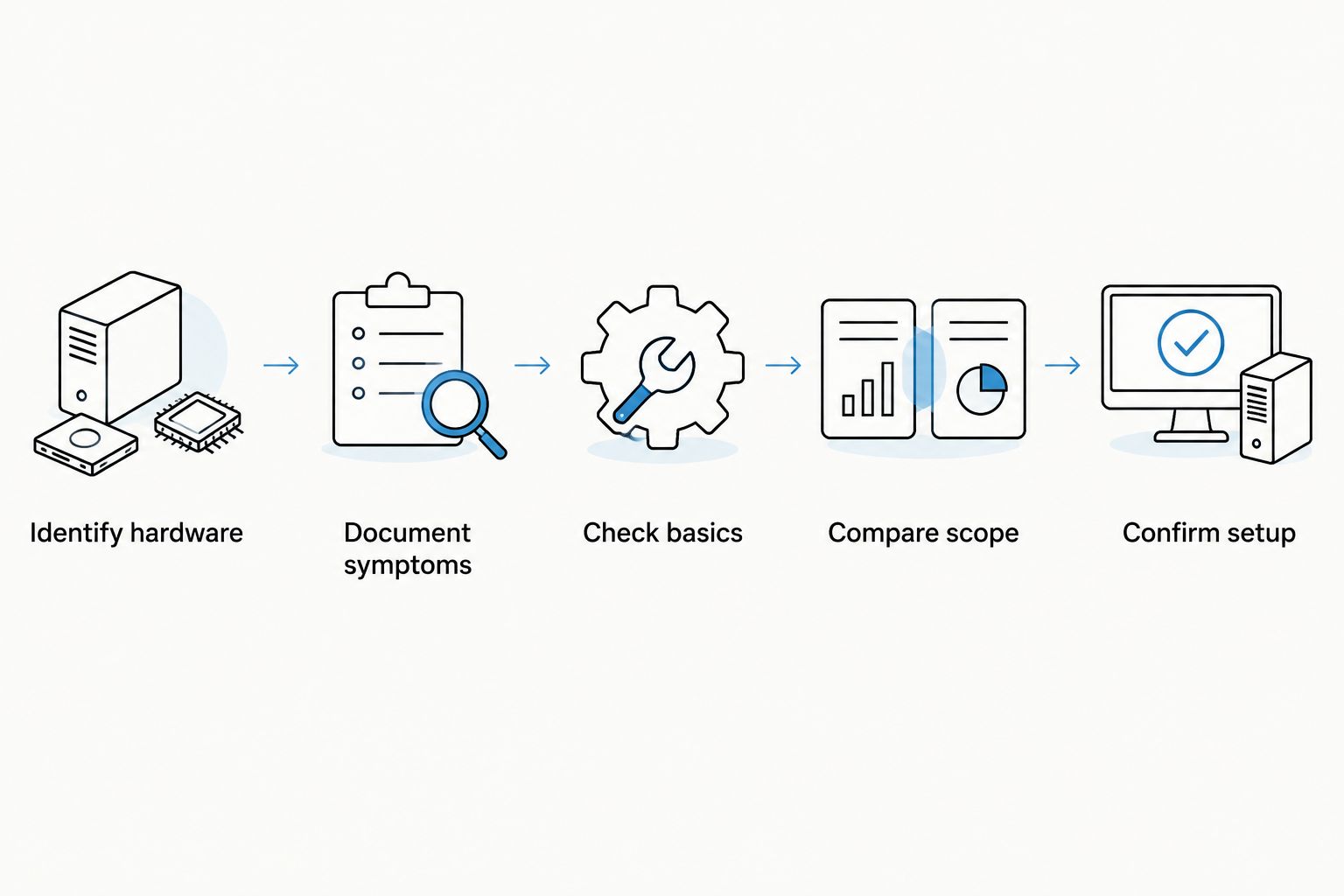
Treat shock removal and internal service as different tasks. Coil springs store energy, and gas-charged shocks contain pressure; neither should be disassembled without the correct procedures, equipment, and training.
What should you ask the shock technician?
Ask whether the estimate covers inspection, applicable seals and wear parts, specified fluid, charging where required, and verification after assembly. Then ask what happens if disassembly reveals shaft or body damage.
Get approval requirements clear before work starts. You should know which additional repairs require your authorization and whether the proposed tune retains the original specification or changes it.
For a 2026 service record, keep the shock identification, completed work, replaced components, and final settings together. That record makes the next service discussion more useful than a receipt that simply says suspension work.
Can rebuilding UTV shocks make the ride better than before?
Rebuilding can restore performance lost through wear or degraded fluid, but improvement beyond the original setup requires a suitable tuning change. Ask for a diagnosis first, not a promise that fresh internals will fix every ride complaint.
If the UTV never handled the way you wanted, describe that separately from any recent deterioration. Restoring an unsuitable original setup leaves you with the same underlying mismatch.
Should you service both shocks on the same axle?
Have both shocks on the same axle assessed so the technician can evaluate condition and damping consistency together. That does not mean every component automatically needs replacement; the service decision should follow inspection and the manufacturer's requirements.
Tell the technician if the shocks have different service histories or if one side has visible damage. Do not assume the visibly clean shock has identical internal condition.
Does a tender spring kit replace a shock rebuild?
No—a tender spring kit changes part of the spring arrangement; it does not renew the shock's damping internals. Choose spring work for an identified spring-related need, not as a repair for fluid loss or damaged components.
R1 Industries offers aftermarket suspension components, including tender spring products. Keep spring selection separate from the decision about whether your existing shocks need service or replacement.
FAQ
Is it worth rebuilding UTV shocks instead of buying new ones?
Yes, rebuilding is worth considering when the shocks are serviceable, structurally sound, and suitable for your vehicle and riding. Replace them when inspection identifies unsuitable hardware or damage that makes repair impractical.
Can all UTV shocks be rebuilt?
No, not all UTV shocks are designed for rebuilding. Confirm the exact shock model, service procedure, and replacement-component support before authorizing work.
Will rebuilding my shocks fix a harsh UTV ride?
A rebuild addresses shock-service needs, but harshness also requires checking tires, springs, adjustments, and suspension condition. Diagnose the cause before choosing the repair.
How often should I rebuild my UTV shocks?
Follow the service interval and inspection requirements for your exact shock model and use conditions. Do not apply another vehicle's schedule without checking the manufacturer's guidance.
Can I rebuild gas-charged UTV shocks at home?
Internal shock service requires the correct training, procedures, and equipment for the shock design. Stored spring energy and internal gas pressure make improvised disassembly unsafe.
Do new UTV shocks come ready for my normal load?
Confirm the intended vehicle application and setup requirements before installation. Replacement shocks still need the correct spring selection and settings for the vehicle's use.
Should I replace springs when rebuilding UTV shocks?
Replace springs when inspection or a setup assessment identifies a reason to change them. A shock rebuild alone does not establish that the springs are unsuitable.
One last thing
Record your baseline before changing anything. Photograph adjuster positions where practical, write down tire pressures and normal load, and describe the exact behavior you want corrected.
After service or installation, follow the manufacturer's checks and evaluate the UTV in controlled conditions before returning to demanding terrain. Change one setup variable at a time so you can tell what helped—and what did not.
